
How Controlled Application Protects Skin and Nails — The Importance of Precision in Professional Nail Care
Controlled application helps protect both the nail plate and surrounding skin by maintaining balanced product placement, minimizing unnecessary exposure, and supporting structural stability throughout the manicure process. Precise technique reduces the likelihood of lifting, irritation, moisture intrusion, and long-term stress on the natural nail.
In professional nail care, application is not simply about covering the nail surface—it is about managing how products interact with the nail and skin at every stage.
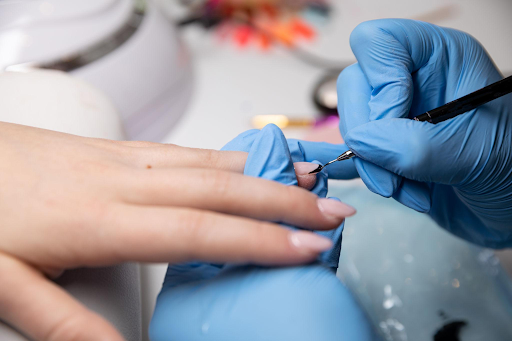
Why precision matters in nail application
Every nail product behaves according to its formulation, viscosity, and curing requirements. Without controlled placement, products may spread beyond intended areas, accumulate unevenly, or create structural imbalance.
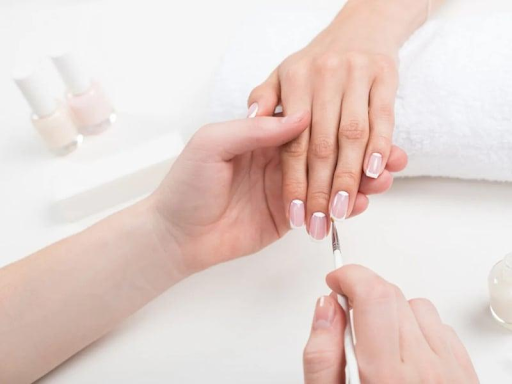
Precision allows the product to remain confined to the nail plate, where it is designed to perform. This helps maintain clean edges, balanced thickness, and more predictable curing behavior.
Even small inconsistencies during application can influence how the manicure wears over time.
Protecting the nail plate through balanced layering
Controlled application helps distribute product evenly across the nail surface.
Balanced layering reduces concentrated stress points that may place excess pressure on the natural nail. When the structure remains even, the nail can flex more naturally during daily movement without excessive strain beneath the coating.
Uneven application, by contrast, may create areas of instability where lifting, cracking, or structural fatigue develops more easily over time.
How controlled application protects the surrounding skin
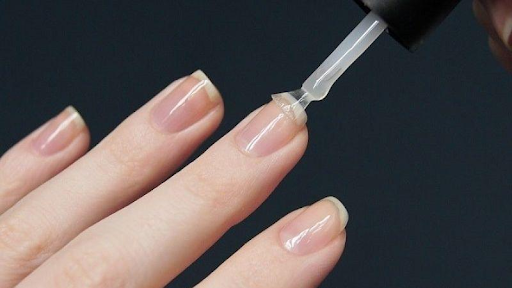
The skin around the nail is more delicate and reactive than the nail plate itself.
When products repeatedly contact the cuticle or surrounding skin, they may cure unevenly and create instability along the edges of the manicure. In some cases, repeated exposure may also contribute to discomfort or sensitivity over time.
Controlled application minimizes unnecessary skin contact by maintaining precise product boundaries and cleaner cuticle lines.
The relationship between product flow and technique
Nail products continue moving briefly after placement, particularly self-leveling gel systems.
Professional technique accounts for this movement by controlling brush pressure, product quantity, and application speed. Understanding how viscosity affects flow allows the product to settle evenly before curing begins.
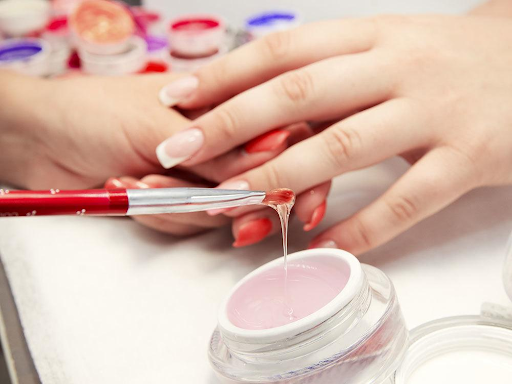
Without this control, excess product may migrate toward the cuticle area, increasing the risk of flooding, uneven curing, and edge instability.
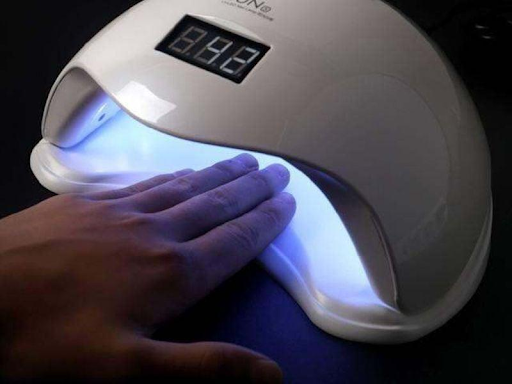
How controlled application improves curing stability
Curing stability depends heavily on how evenly the product has been applied.
Thin, controlled layers allow light to penetrate consistently through the structure, supporting complete polymerization. This creates a balanced coating with better flexibility and adhesion.
Thicker or uneven sections may cure inconsistently, leaving hidden weaknesses beneath the surface that affect durability over time.
Reducing moisture intrusion and lifting
Properly controlled application helps maintain sealed edges around the nail.
When product placement is clean and balanced, fewer gaps develop along the cuticle and sidewalls. This reduces the likelihood of water, debris, or microorganisms entering beneath the coating.
Preventing these small entry points is important for maintaining both structural stability and overall nail hygiene.
Why small technical details matter over time
Minor technical inconsistencies may not be immediately visible after a service, but their effects often appear gradually.
Slight flooding, uneven thickness, or poorly balanced edges can create cumulative stress during everyday wear. Over time, these small weaknesses contribute to lifting, dullness, cracking, or discomfort.
Controlled technique reduces these risks by creating a more stable and predictable structure from the beginning.
The connection between precision and long-term nail health
Protecting nail health requires more than avoiding obvious damage.
Repeated exposure to mechanical stress, excess filing, moisture imbalance, or unstable product structure can gradually weaken the nail plate. Controlled application helps reduce these cumulative effects by maintaining a more balanced interaction between the product, the nail, and the surrounding skin.
Long-term nail health is often the result of consistently refined technique rather than isolated treatments.
Where controlled technique defines professional standards
In advanced nail care, precision is closely linked to professionalism.
A controlled application process reflects technical awareness, product understanding, and attention to long-term performance. It supports not only visual refinement, but also structural reliability and client comfort.
This level of control is what separates routine cosmetic application from truly professional nail care.
Controlled application protects skin and nails by maintaining balanced product placement, reducing unnecessary exposure, and supporting stable curing and adhesion. Precision at every stage contributes to healthier, longer-lasting nail results.
Why is controlled application important in nail services?
It helps improve adhesion, reduce lifting, and minimize unnecessary skin exposure.:
Can uneven application damage nails over time?
Yes. Structural imbalance and repeated stress may weaken the nail plate gradually.:
How do professionals avoid flooding around the cuticle?
By controlling product quantity, brush pressure, and application flow before curing.: