
How Proper Nail Care Helps Prevent Common Nail Issues — Building Healthy Nails Through Consistent Care
Proper nail care helps maintain the integrity of the nail plate, reduce environmental stress, and prevent conditions that commonly lead to brittleness, peeling, lifting, and surface irregularities. Consistent maintenance supports both the appearance and long-term stability of natural nails.
Healthy nails are not maintained through occasional treatments alone, but through controlled habits and professional care practices over time.
Why nail issues often develop gradually
Most common nail concerns do not appear suddenly. They develop gradually through repeated exposure to stress, moisture imbalance, friction, or improper maintenance.
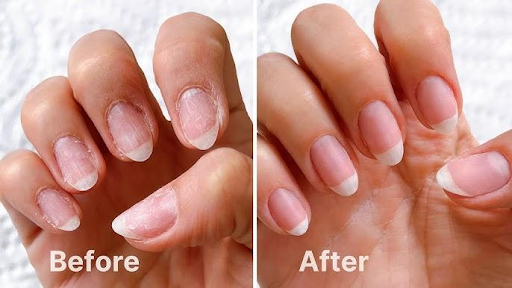
The nail plate is composed of layered keratin structures that rely on balance and protection to remain stable. When these layers are repeatedly weakened—whether through dehydration, excessive pressure, or inconsistent care—the nail becomes more vulnerable to splitting, peeling, and breakage.
Because these changes accumulate slowly, early signs are often overlooked until the condition becomes more visible.
How proper nail care supports nail structure
Proper nail care focuses on maintaining the stability of the nail plate and surrounding skin barrier.
This includes controlling moisture balance, minimizing unnecessary abrasion, and protecting the cuticle area. Healthy cuticles help shield the nail matrix—the area responsible for nail growth—from external contaminants and irritation.
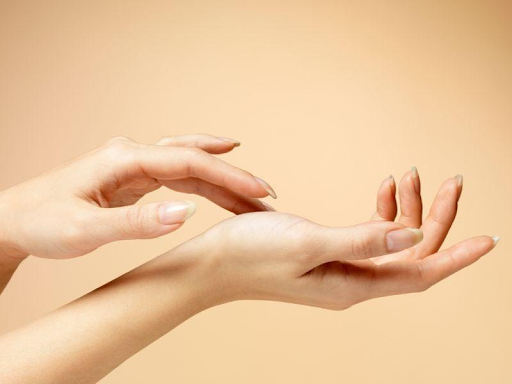
When the surrounding structures remain balanced, the nail is better able to maintain flexibility, cohesion, and resistance to stress.
Preventing brittleness and peeling
Brittleness and peeling are often linked to dehydration and repeated weakening of keratin layers.
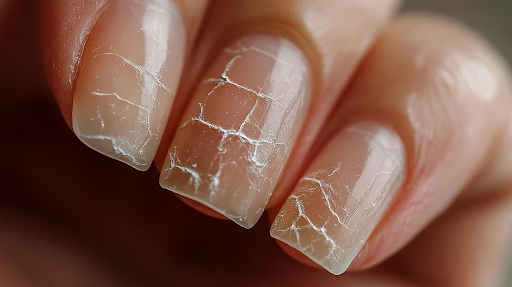
Frequent exposure to water, harsh chemicals, or aggressive filing can strip the nail of natural oils and reduce structural cohesion. As the layers separate, the nail becomes thinner and more fragile.
Proper care helps minimize this process by reducing unnecessary stress and supporting hydration balance. Controlled maintenance allows the nail layers to remain compact and stable over time.
Reducing the risk of lifting and surface separation
Lifting occurs when the bond between the nail surface and the applied product becomes unstable.
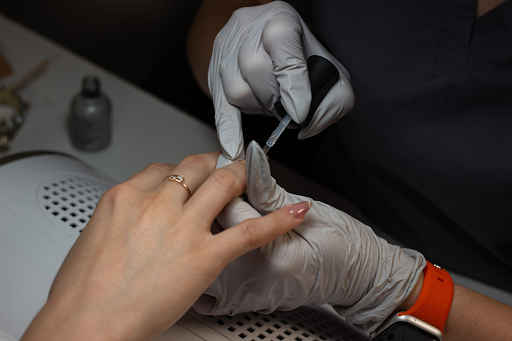
This instability is often caused by moisture imbalance, improper preparation, or surface contamination. Once small gaps develop, water and debris may enter beneath the product layer, further weakening adhesion.
Proper nail care reduces this risk by maintaining a clean, balanced nail surface and minimizing conditions that contribute to separation.
The role of moisture control
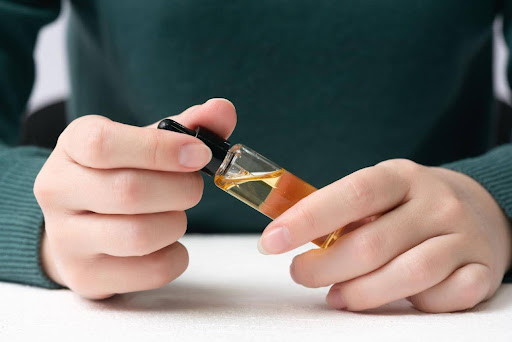
Moisture balance is one of the most important factors in nail health.
Excessive dryness reduces flexibility and increases brittleness, while excessive moisture softens the nail structure and weakens adhesion. Proper nail care focuses on maintaining equilibrium between these extremes.
Hydration practices, combined with protection from prolonged water exposure, help preserve the structural consistency of the nail plate.
How daily habits affect nail health
Everyday activities can significantly influence nail condition over time.
Frequent hand washing, cleaning products, temperature fluctuations, and repetitive mechanical pressure all contribute to gradual stress on the nail structure. Without proper care, these small exposures accumulate and weaken the nail.
Protective habits—such as minimizing harsh exposure and maintaining hydration—help reduce long-term deterioration.
Professional maintenance and early prevention
Professional nail care plays an important role in identifying and managing issues before they progress.
Early signs of imbalance—such as minor peeling, dehydration, or lifting—can often be addressed through controlled maintenance and technique adjustments. Preventive care helps reduce the likelihood of more significant structural damage over time.
Consistent maintenance is generally more effective than attempting to correct advanced damage later.
The relationship between nail care and long-term appearance
Healthy nail structure directly influences how nails look and perform.
Smooth texture, balanced flexibility, and consistent surface clarity are all reflections of structural stability. When the nail remains healthy beneath the surface, cosmetic results also tend to appear cleaner, smoother, and more durable.
This is why long-term appearance depends not only on design or product choice, but on the condition of the natural nail itself.
Where prevention defines quality nail care
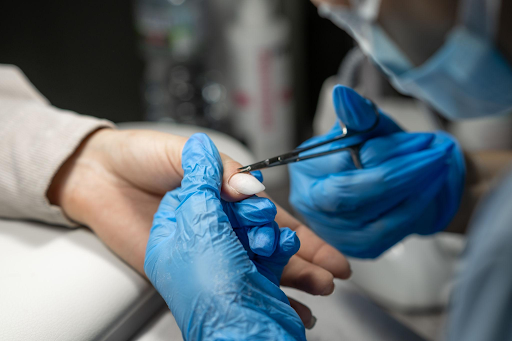
In professional nail care, prevention is more effective than correction.
Proper maintenance protects the nail before significant damage occurs, reducing the need for aggressive repair later. This approach supports both aesthetics and nail health simultaneously.
A well-maintained nail is not simply polished—it is structurally supported through consistent, controlled care.
Proper nail care helps prevent common nail issues by protecting the nail structure, controlling moisture balance, and reducing cumulative stress over time. Consistent maintenance supports healthier, stronger, and more stable nails.
What causes nails to peel and break easily?
Peeling and brittleness are commonly caused by dehydration, repeated stress, and excessive exposure to water or chemicals.:
Can proper nail care prevent lifting?
Yes. Maintaining a clean, balanced nail surface helps improve adhesion and reduces the risk of lifting.:
How often should nails be professionally maintained?
Maintenance frequency depends on nail condition and lifestyle, but consistent care is generally more effective than infrequent corrective treatments.: