
How Skilled Technique Reduces Nail Damage Over Time — The Science of Protecting Natural Nails
Skilled nail technique minimizes mechanical stress, prevents over-processing of the nail plate, and ensures that products are applied and removed without compromising structural integrity. Over time, this reduces thinning, brittleness, and sensitivity, helping natural nails remain stable and healthy.
A well-executed manicure is not only about appearance—it is a controlled process that protects the nail beneath.
Understanding nail damage as a structural issue
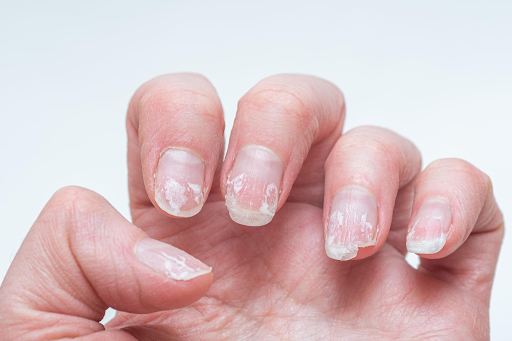
Nail damage is often perceived as a surface problem, but it originates at the structural level of the nail plate.
The natural nail is composed of compact layers of keratin. When these layers are disrupted—through excessive filing, improper removal, or repeated mechanical stress—the nail loses cohesion. This results in peeling, thinning, or increased fragility.
Damage accumulates gradually. Each improper service may only cause minor disruption, but over time, these effects compound, leading to noticeable weakening of the nail.
How skilled preparation protects the nail plate
Preparation is one of the most critical stages where damage can either be prevented or introduced.
Skilled technique focuses on controlled surface refinement rather than aggressive abrasion. The goal is to create sufficient texture for adhesion without removing excessive keratin layers.
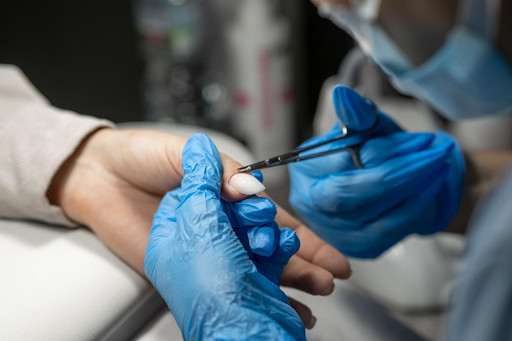
By maintaining the integrity of the nail plate, proper preparation supports both product performance and long-term nail health. Over-preparation, in contrast, weakens the foundation before the service even begins.
Controlled application reduces mechanical stress
Application technique determines how stress is distributed across the nail. When layers are applied evenly and with appropriate thickness, the structure remains balanced. This allows the nail to flex naturally without concentrating pressure in specific areas.
Improper application—such as uneven thickness or excessive product—creates stress points. These localized pressures can lead to lifting, cracking, or strain on the natural nail beneath.
Skilled technique ensures that the applied structure works with the nail, rather than against it.
Curing precision and Structural Stability
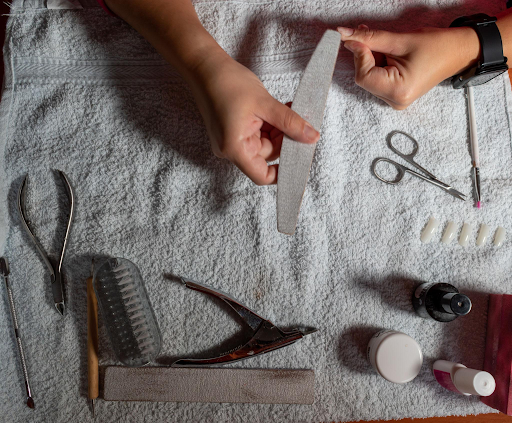
Curing plays a direct role in determining whether the applied product protects or stresses the nail.
Proper curing allows the gel to form a stable, flexible polymer network. This flexibility is essential—it enables the coating to absorb movement without transferring stress to the nail plate.
When curing is incomplete, the structure remains weak and unstable. When over-cured, it may become too rigid. Both conditions increase the likelihood of mechanical strain and potential damage over time.
Safe removal as a critical factor
Removal is one of the most common sources of nail damage.
Improper removal—particularly peeling or forceful scraping—can strip away layers of the natural nail along with the product. This weakens the structure and increases sensitivity.
Skilled removal techniques focus on controlled breakdown of the product, allowing it to be lifted without disrupting the nail plate. This preserves the underlying structure and prevents cumulative damage.
The role of repetition and long-term impact
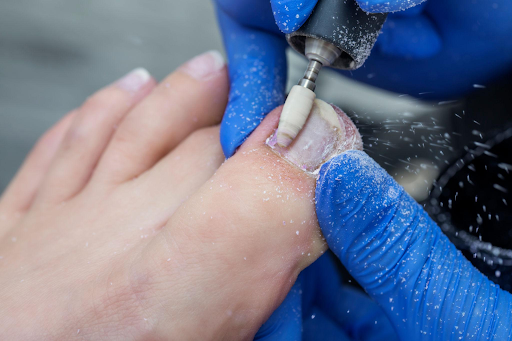
Nail care is a repeated process, and its effects are cumulative.
A single service may not visibly damage the nail, but repeated exposure to improper technique gradually weakens its structure. Conversely, consistent use of skilled technique allows the nail to maintain its integrity over time.
This is why long-term nail health is not defined by one service, but by the standard of technique applied consistently.
Balancing enhancement and protection
A manicure should enhance the nail without compromising its natural condition.
Skilled technique achieves this balance by controlling every stage of the process—preparation, application, curing, and removal. Each step is designed not only to create a refined appearance, but also to minimize disruption to the nail plate.
This balance ensures that the nail remains strong even after repeated services.
Where technique defines nail health
In advanced nail care, technique is directly linked to nail health outcomes.
The difference between healthy, resilient nails and weakened, damaged ones often lies in how consistently proper methods are applied. Expertise ensures that every step supports both performance and protection.
Over time, this distinction becomes increasingly visible in the condition of the natural nail.
Skilled nail technique reduces damage by preserving the structure of the nail plate, minimizing stress, and ensuring safe application and removal. Long-term nail health depends on consistent, controlled technique—not just the products used.
Why do nails become thin after repeated gel manicures?
This is often caused by over-filing or improper removal, which removes layers of the natural nail over time.:
Can proper technique prevent nail damage completely?
While some wear is natural, skilled technique significantly reduces the risk of damage and helps maintain nail strength.:
Is removal more damaging than application?
Improper removal is one of the leading causes of nail damage, especially when products are peeled off instead of safely dissolved.: