
Why Nail Hygiene Matters More Than You Think
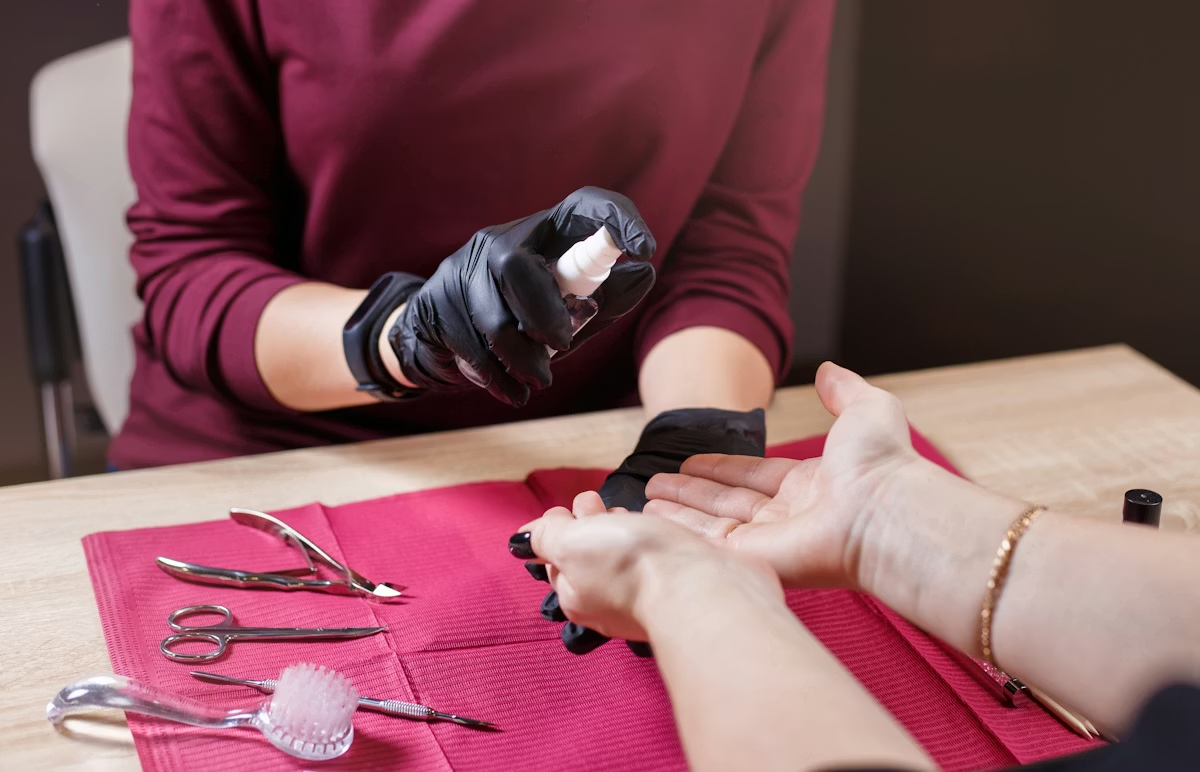
When most people think about a nail salon, they focus on color, design, and how long the results last. Hygiene is often assumed rather than examined — something expected to exist quietly in the background.
In professional nail care, however, hygiene is not a background detail. It is the framework that shapes how services are performed, how standards are maintained, and how trust is built over time.
Nail services involve direct contact with skin, nails, and cuticles. Because of this contact, hygiene plays a foundational role long before technique, products, or aesthetics come into play. It sets the baseline for everything that follows.
Nail care is more than cosmetic
Nails are not isolated from the rest of the body. The skin surrounding the nail plate acts as a natural protective barrier, helping maintain balance and comfort around the nail bed. Even small disruptions to this barrier can affect how nails respond to repeated services.
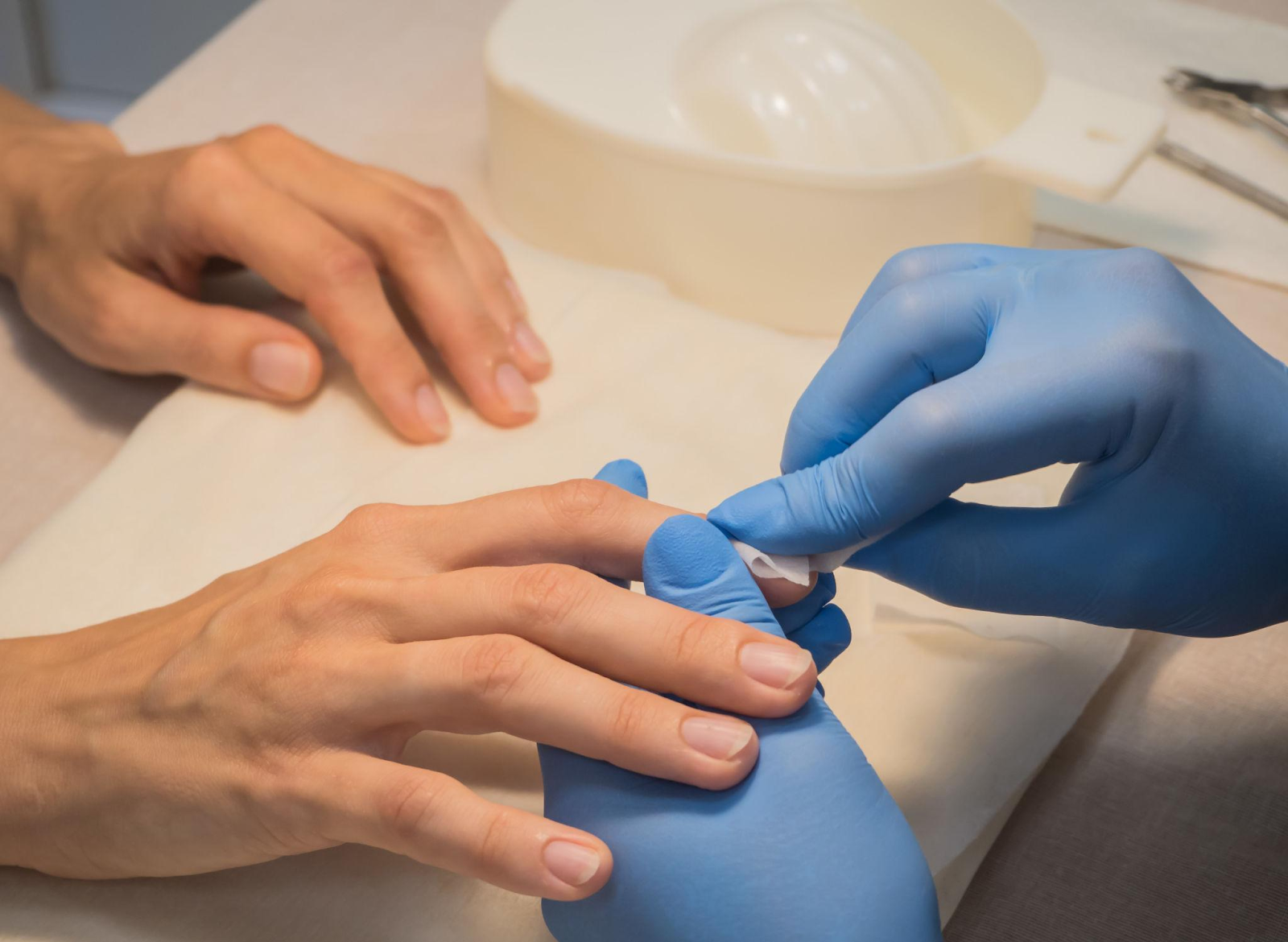
Professional nail hygiene focuses on respecting this structure through careful preparation and controlled handling. Rather than prioritizing speed or surface-level appearance, hygiene establishes conditions that allow nail care to be performed thoughtfully and consistently.
What nail hygiene represents in professional standards
In professional nail care, hygiene is not a single step or isolated practice. It represents a set of standards that guide how services are approached as a whole.
When hygiene is treated as a professional framework, it influences how tools are prepared, how workstations are maintained, and how technicians pace their services. This creates an environment where procedures feel intentional rather than rushed, and where quality is supported systematically rather than inconsistently.
Hygiene, in this sense, defines professionalism before results are ever visible.
Why hygiene shapes the entire nail care experience
Because hygiene operates quietly, its impact is often underestimated. When standards are consistent, clients may not consciously notice hygiene at work — but they do notice how services feel.
A hygienic foundation supports smoother processes, fewer interruptions, and a sense of order that carries through every appointment. Over time, this consistency becomes part of the overall experience, influencing comfort and confidence without needing explanation.
Hygiene as a foundation for consistency and trust
Trust in professional nail care is rarely built through words alone. It develops through repeated experiences that feel controlled, dependable, and respectful.
When hygiene standards remain stable across visits, clients know what to expect. This predictability supports not only comfort, but also long-term confidence in the care they receive. Hygiene, when treated as a standard rather than an extra, becomes one of the key elements that allows trust to form naturally.
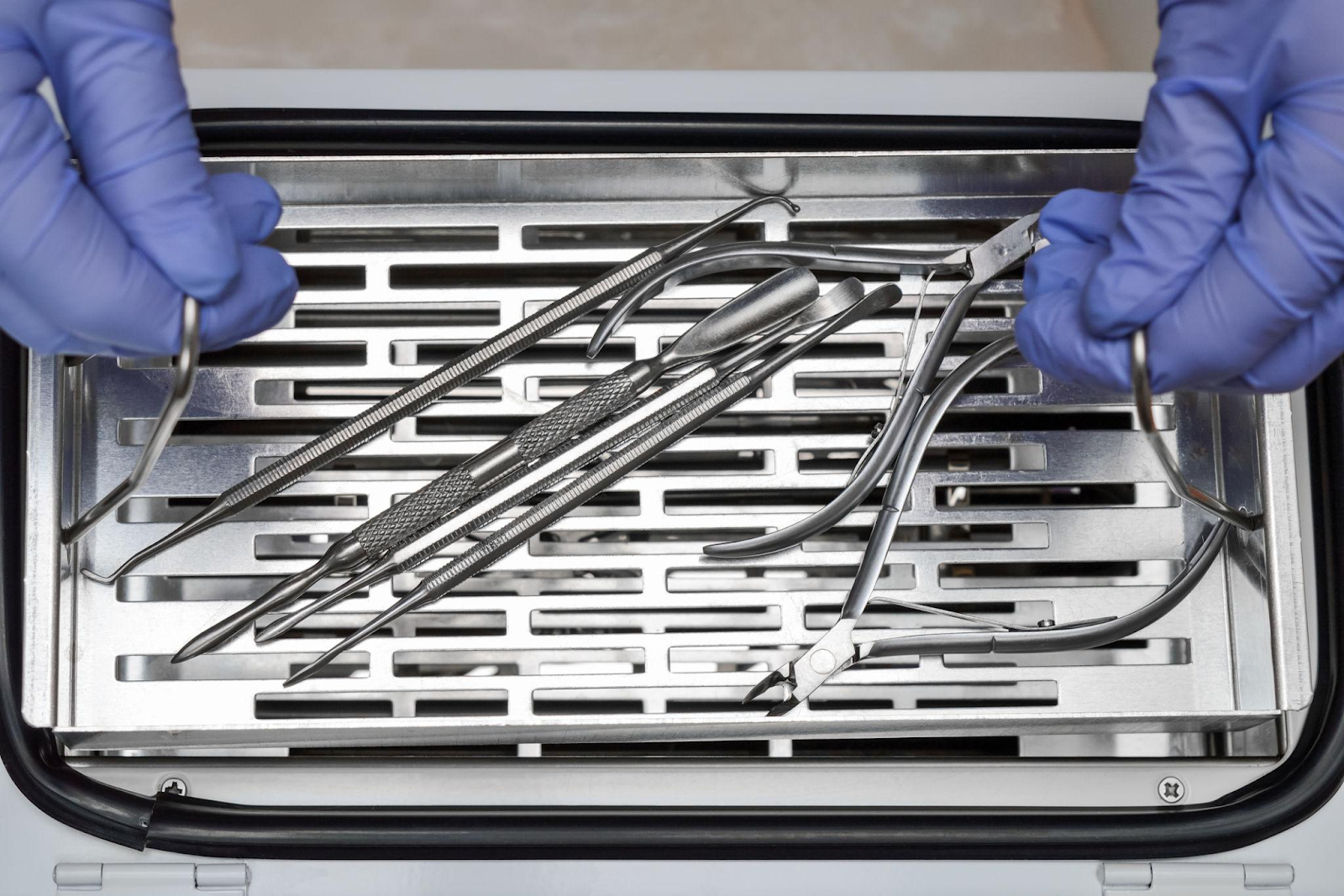
What clients can expect from a hygiene-first approach
Understanding why nail hygiene matters is the first step in appreciating professional nail care as a system rather than a series of isolated actions. Hygiene defines the framework within which all other practices operate.
To explore what can happen when sanitation standards are inconsistent — and why those details matter — continue with our next guide on what happens if nail tools aren’t properly sanitized.
Setting the context for deeper understanding
Trust in professional nail care is rarely built through words alone. It develops through repeated experiences that feel controlled, dependable, and respectful.
When hygiene standards remain stable across visits, clients know what to expect. This predictability supports not only comfort, but also long-term confidence in the care they receive. Hygiene, when treated as a standard rather than an extra, becomes one of the key elements that allows trust to form naturally.
Clean care you can trust.
Related reading: Learn more about what happens if nail tools aren’t properly sanitized in our in-depth guide.