
Understanding Bacteria and Fungi Risks in Nail Services — What Happens Beyond the Surface
Bacteria and fungi can develop or spread during nail services when hygiene, tool sanitation, or application processes are not properly controlled. These microorganisms thrive in moist, enclosed environments and can affect both the nail surface and the surrounding skin, leading to infections or long-term nail damage.
While nail services are often viewed as purely cosmetic, they also involve close contact with biological surfaces, making hygiene a critical factor in both safety and results.
Why nail services create a vulnerable environment
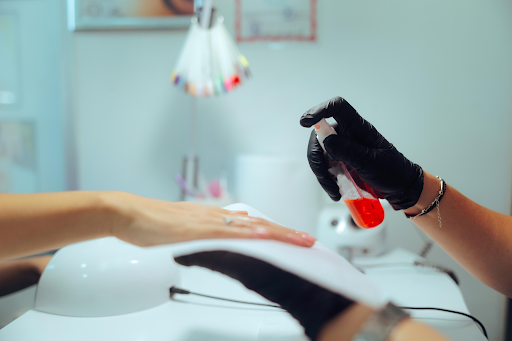
Nail services involve repeated exposure to moisture, friction, and direct contact with the nail plate and surrounding skin. These conditions can temporarily disrupt the natural barrier of the nail and cuticle.
When the protective barrier is compromised—even slightly—it creates an opportunity for microorganisms to enter or multiply. The use of tools, combined with a shared service environment, further increases the importance of controlled hygiene practices.
Understanding bacteria in nail care
Bacteria are microscopic organisms that can exist on the skin, tools, and surfaces. In nail services, they become a concern when transferred from one surface to another without proper sanitation.
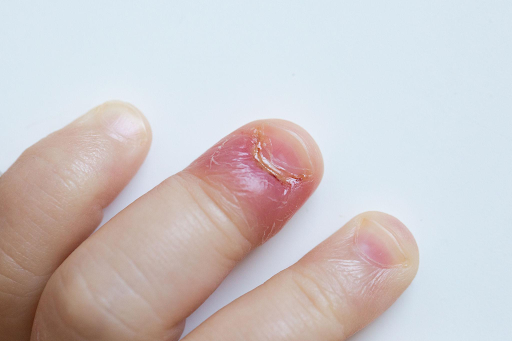
When bacteria enter small breaks in the skin or gaps between the nail plate and product layers, they can multiply. This may lead to localized irritation, discoloration, or, in more advanced cases, infection.
Because bacterial growth can occur beneath product layers, it is not always immediately visible.
Understanding fungal growth in nail environments
Fungi thrive in warm, moist environments—conditions that can be present during or after nail services if moisture is not properly managed.
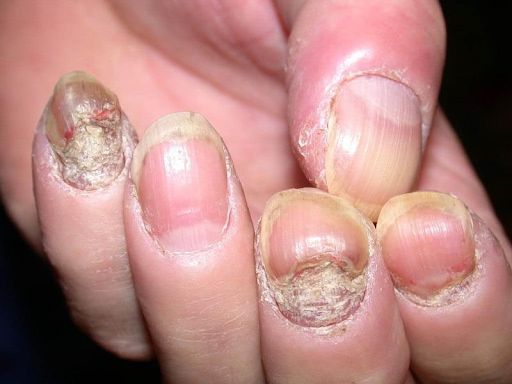
Fungal growth often begins when moisture becomes trapped between the nail plate and the applied product. This creates an enclosed environment where oxygen levels are low and humidity is high, supporting fungal development.
Over time, this may lead to discoloration, changes in nail texture, or separation between layers.
How contamination occurs
Contamination in nail services typically occurs through direct or indirect transfer.
Direct transfer may happen when tools are used on multiple clients without proper sanitation. Indirect transfer can occur through surfaces, hands, or products that come into contact with multiple points of exposure.
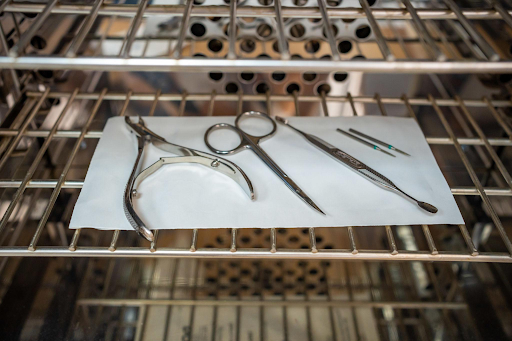
Even small lapses in hygiene protocols can allow microorganisms to move between environments, increasing the risk of bacterial or fungal presence.
The role of moisture and airflow
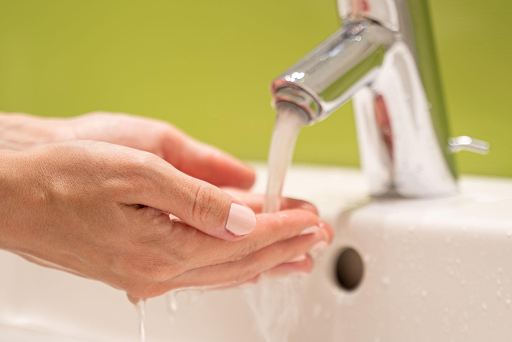
Moisture is one of the most significant factors influencing microbial growth.
When water becomes trapped beneath product layers or around the cuticle area, it creates conditions that support both bacterial and fungal activity. Limited airflow further amplifies this effect, allowing microorganisms to multiply in enclosed spaces.
How application technique influences risk
Technique plays a direct role in either reducing or increasing exposure to microbial risk.
Well-executed application creates a sealed, stable surface that limits gaps where moisture and microorganisms can enter. In contrast, uneven application or lifting at the edges can create spaces where contaminants accumulate.
Proper technique ensures that the nail surface remains protected, reducing the likelihood of hidden contamination.
Recognizing early signs of issues
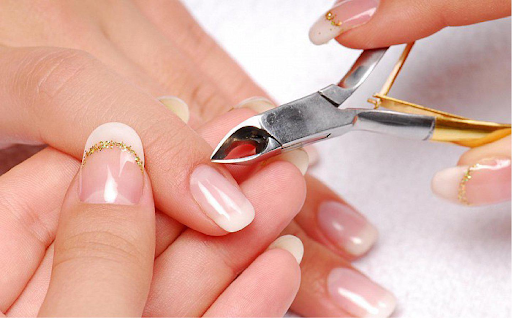
Early signs of bacterial or fungal presence may include discoloration, changes in texture, or lifting between layers.
Because these changes can develop gradually, they are sometimes overlooked in early stages. Monitoring the condition of the nail over time is essential to identifying issues before they progress.
Timely intervention helps prevent more significant structural or health concerns.
Prevention through controlled processes
Preventing microbial risk in nail services relies on consistent control at every stage.
This includes proper tool sanitation, maintaining a clean working environment, controlling moisture, and applying products with precision. Each step contributes to reducing the conditions that allow bacteria and fungi to develop.
Prevention is not dependent on a single factor, but on the consistency of the entire process.
Where hygiene defines quality
In professional nail care, hygiene is not a secondary consideration—it is a defining standard.
The quality of a service is reflected not only in its appearance, but in how well it protects the nail and surrounding skin. A controlled, hygienic process ensures that the manicure remains both visually refined and safe over time.
Bacteria and fungi risks in nail services are closely linked to hygiene, moisture control, and application technique. A controlled process minimizes these risks, protecting both nail health and overall service quality.
Can you get infections from nail services?
Yes. Without proper hygiene and technique, bacteria or fungi can develop or spread during nail services.:
What causes fungus under gel or acrylic nails?
Fungus often develops when moisture becomes trapped between the nail and the product, creating an enclosed environment.:
How can these risks be reduced?
Through proper sanitation, controlled application, and ensuring that nails remain clean and dry before and after services.: