
What Happens If Nail Tools Aren't Properly Sanitized
Nail tools may look clean, but appearance alone doesn’t tell the full story. Improperly sanitized nail tools can carry invisible bacteria or fungi from one service to another, even when no residue is visible on the surface.
In professional nail care, sanitation is not about being extreme or overly cautious. It is about consistency, responsibility, and respect for nail health. Understanding what happens when nail tool sanitation is overlooked helps clients make informed, confident decisions about the salons they choose and the care they receive.
Nail tools come into direct contact with skin
During nail services, tools come into direct contact with sensitive areas such as cuticles, nail plates, and surrounding skin. These areas form a natural protective barrier for the body, but they can also become vulnerable when that barrier is disrupted.
When unsanitized nail tools are reused, even brief contact can allow microorganisms to transfer between clients. This is why professional nail salons treat nail salon sanitation as a foundational standard rather than an optional step. Proper sanitation supports a safer and more comfortable experience from the very beginning of each service, protecting both the nail surface and the surrounding skin.
“Clean” vs. “Sanitized”: Understanding the difference
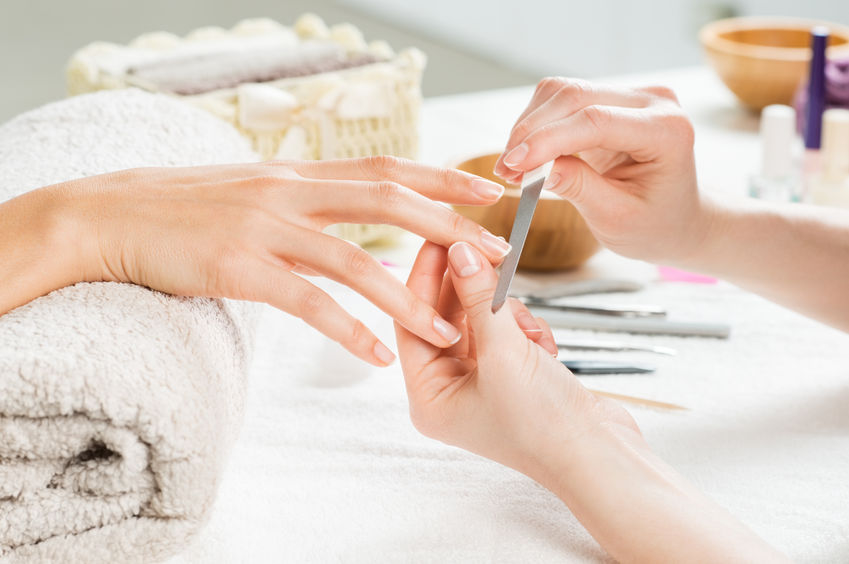
A common misconception is that if a tool looks shiny or free of residue, it must be safe to use. In professional nail care, true sanitation goes far beyond visual cleanliness. It follows a structured, multi-step process designed to significantly reduce microbial presence and support consistent service quality.
This process typically begins with thorough cleaning to remove visible debris, followed by the use of approved disinfecting methods applied for the appropriate amount of time. In some professional settings, advanced sanitation systems may be used to further support cleanliness standards. Skipping or shortening any part of this process reduces its effectiveness, even when tools appear clean on the surface.
Sanitation, therefore, is not a visual standard. It is a functional one, designed to support nail health and client comfort over time.
Why sanitation matters even when no issues are visible
One of the most common misunderstandings about nail sanitation is the belief that it only matters when something goes wrong. In reality, the effects of inconsistent sanitation are often subtle and gradual.
Minor irritation, discomfort around the cuticle area, or changes in nail texture may develop over time rather than appearing immediately after a service. Because these changes are not always obvious, sanitation can be underestimated, even though it plays a critical role in long-term nail comfort and consistency.
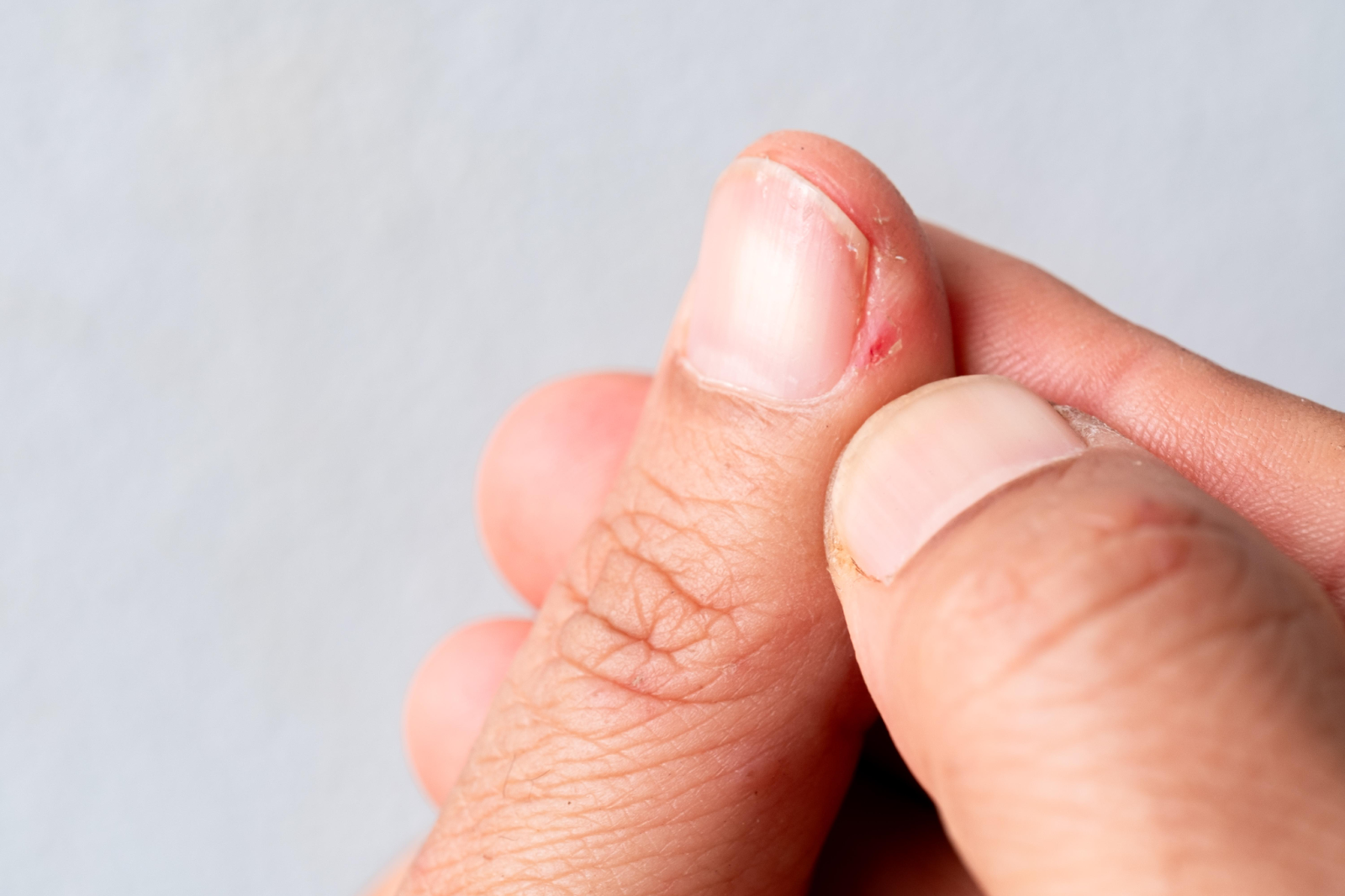
Professional sanitation practices are preventative by nature. They are designed to reduce unnecessary exposure before issues arise, not to respond after problems become noticeable.
Why consistent sanitation supports long-term nail health
Consistent sanitation creates a controlled environment for every service. When tools are properly handled, natural nails experience less unnecessary stress during repeated treatments. Over time, this helps preserve the integrity of the nail plate, supports smoother and healthier cuticles, and allows nail products such as gel or acrylic to perform as intended and last longer.
This consistency contributes to nail care that feels comfortable, predictable, and dependable across visits rather than varying from one appointment to the next.
Why sanitation is a standard, not a feature
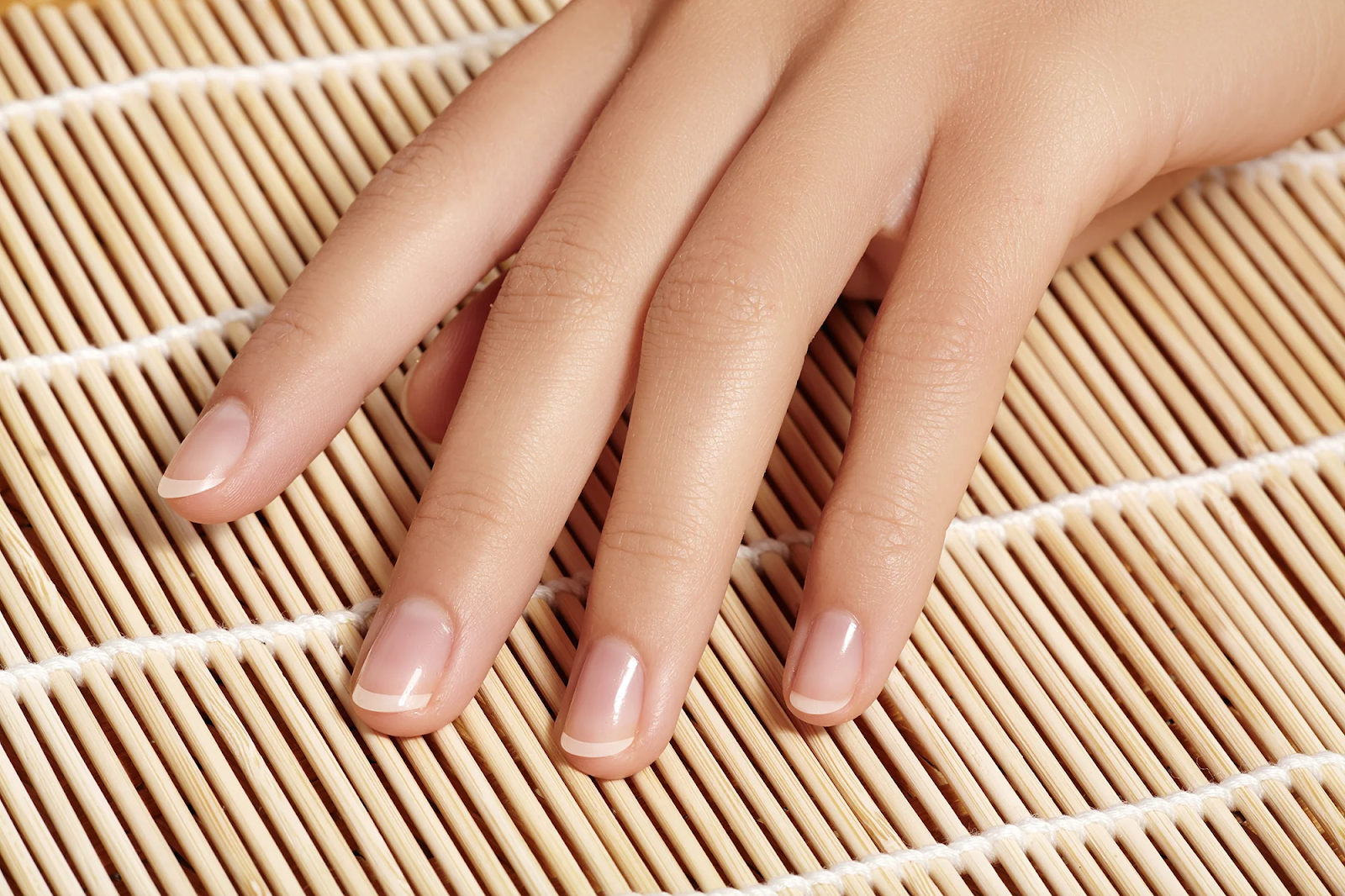
In professional nail salons, sanitation is not an added benefit or a special request. It is a baseline expectation that supports every service equally.
Rather than being promoted or explained during appointments, sanitation should be integrated into daily routines through preparation, careful handling, and established protocols. This approach allows clients to focus on enjoying their service while trusting that proper care is already in place.
When sanitation is treated as a standard, it quietly reinforces professionalism and consistency.
What clients can expect from proper nail tool sanitation
In a professional setting, clients should not need to request sanitation or monitor how it is handled. It should already be part of the service through consistent preparation and thoughtful routines.
When sanitation is handled correctly, clients can relax and enjoy their experience, knowing their nail health is being respected at every step. This confidence is built through consistency over time, not through explanation or promotion.
Building confidence through care
Proper nail salon sanitation practices are a foundational element of professional nail care. They create an environment where results are not only beautiful, but also comfortable and dependable over time.
Sanitation supports nail health quietly, without drawing attention to itself. When done correctly, it allows technique and skill to perform as intended, contributing to results that last and experienced clients can trust.
Clean care you can trust.
Related reading: Learn more about why nail hygiene matters in professional nail care.