
Why Professional Nail Training Makes a Difference — The Expertise Behind Consistent, High-Quality Results
Professional nail training determines how accurately a technician can control preparation, product behavior, and curing processes. Without structured training, even routine services can produce inconsistent results, affecting durability, finish quality, and nail health.
A high-quality manicure is not defined by tools or products alone, but by the level of expertise guiding every step of the process.
Beyond basic skills: What professional training actually develops
Professional training extends beyond learning how to apply polish or create designs. It builds an understanding of how materials behave under different conditions and how technique influences outcomes.
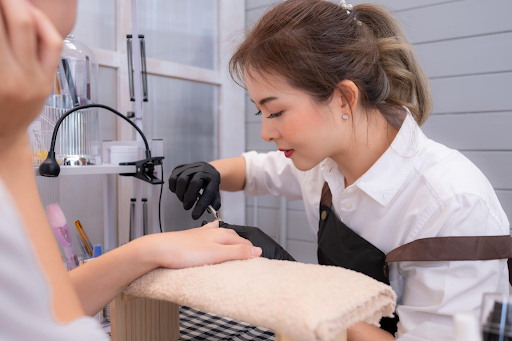
Technicians are trained to assess nail condition, control moisture levels, and adjust application methods accordingly. This includes recognizing variations in nail plate structure, sensitivity, and surface balance.
Such training develops decision-making ability—not just execution—allowing each service to be adapted rather than repeated mechanically.
Understanding material behavior and chemistry
Modern nail products rely on controlled chemical reactions, particularly in gel systems where polymerization defines final structure. Professional training introduces technicians to concepts such as viscosity, photoinitiation, and cross-linking behavior. This knowledge explains why layer thickness matters, how light exposure affects curing, and how different formulations respond to application.
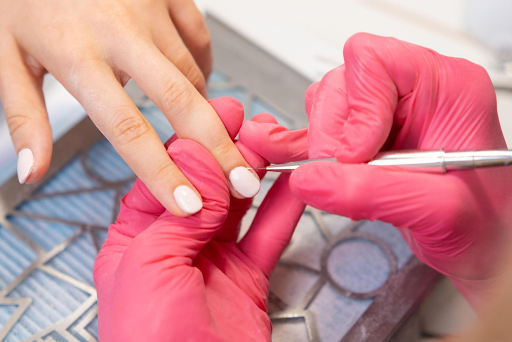
Without this understanding, products may be used correctly in appearance but incorrectly in function, leading to hidden structural weaknesses.
Technique standardization and consistency
One of the most important outcomes of professional training is consistency.
Structured training establishes repeatable methods for preparation, application, and curing. This reduces variability between services and ensures that results remain predictable.
Consistency is not about repetition alone—it is about maintaining controlled parameters across different conditions, including nail type, product choice, and environmental factors.
Error prevention and risk awareness
Training also focuses on identifying and preventing errors before they affect the final result. Common issues such as improper preparation, uneven layering, or incomplete curing often originate from gaps in technique rather than product failure. Professional education helps technicians recognize early signs of these issues and correct them in real time. This proactive approach reduces the likelihood of lifting, surface irregularities, or premature wear.
Adaptation to different nail conditions
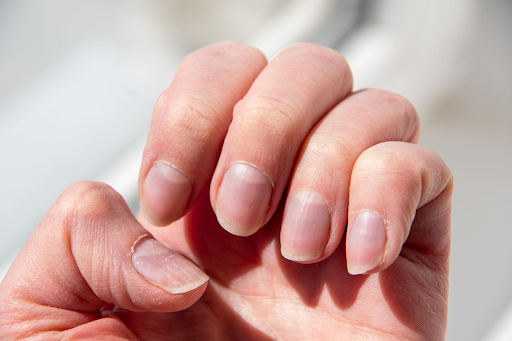
No two nail plates are identical. Differences in thickness, hydration, and surface texture require adjustments in technique.
Professional training equips technicians with the ability to modify preparation methods, product selection, and application strategy based on these variations. This adaptability ensures that the manicure performs consistently across different clients.
Without this flexibility, a one-size-fits-all approach often leads to inconsistent results.
The relationship between training and nail health
Beyond aesthetics and durability, training plays a critical role in protecting natural nail health. Improper technique—particularly during preparation or removal—can weaken the nail plate, disrupt its structure, or increase sensitivity. Professional training emphasizes controlled methods that preserve nail integrity while supporting product performance. This balance between enhancement and protection is a key indicator of technical expertise.
How training influences long-term performance
The impact of training becomes most evident over time. A well-trained technician produces results that maintain adhesion, surface clarity, and structural stability despite exposure to daily wear. This is because each step has been executed with an understanding of how the system will perform under stress.
In contrast, inconsistent training often results in unpredictable outcomes, where performance varies from one service to another.
Where expertise defines quality
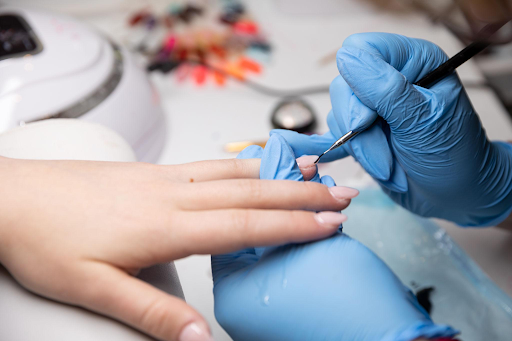
In advanced nail care, quality is defined by expertise rather than appearance alone.
A visually appealing manicure may not reflect the level of technical control behind it. True quality is demonstrated through consistency, durability, and the ability to maintain structural integrity over time. Professional training is what enables this level of control, transforming routine application into a precise, reliable process.
Professional nail training makes a difference because it builds the knowledge and control required to deliver consistent, durable, and safe results. Technique informed by training is what turns products into performance.
Why does professional training matter in nail services?
It ensures that technicians understand both technique and material behavior, leading to more consistent and reliable results.:
Can experience replace formal training?
Experience is valuable, but without structured training, it may not address underlying technical gaps.:
Does training affect how long nails last?
Yes. Proper training improves application consistency, which directly impacts durability and finish quality.: