
Why Professional Technique Matters More Than Trends — The Foundation Behind Every Lasting Manicure
Professional nail technique determines how well products adhere, cure, and maintain structural integrity over time. While trends influence appearance, technique defines durability, finish quality, and long-term nail health.
Nail trends evolve constantly. From seasonal colors to intricate designs and viral aesthetics, what is popular today may change within weeks. While trends shape how nails look, they do not determine how nails perform.
Behind every long-lasting manicure is a consistent, controlled technique. This includes preparation, application, layering, and curing—each executed with precision. Without this technical foundation, even the most visually appealing designs may fail prematurely.
Understanding why professional technique matters more than trends reveals the difference between a manicure that is simply fashionable and one that is structurally reliable.
Trends define aesthetics, not performance
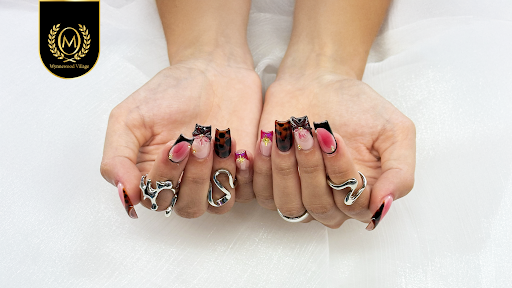
Trends influence visual direction—color palettes, finishes, and design elements. They are driven by fashion cycles, social media, and cultural shifts.
However, trends operate primarily at the surface level. They do not account for how products interact with the nail plate, how layers bond, or how the manicure responds to daily wear.
A design may appear visually striking, but without proper technique, it may lack the structural consistency required for long-term performance.
Technique controls adhesion and stability
Adhesion is the ability of nail products to bond securely to the natural nail. This process is highly sensitive to preparation, moisture control, and application consistency.
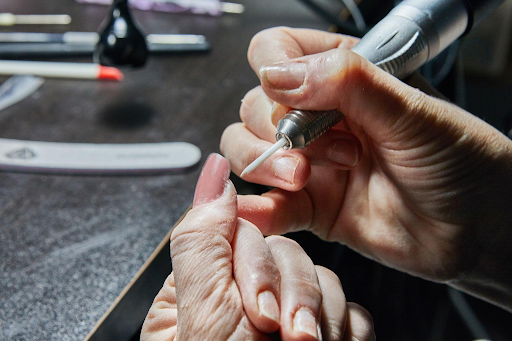
Adhesion is the ability of nail products to bond securely to the natural nail. This process is highly sensitive to preparation, moisture control, and application consistency.
Professional technique ensures that the nail plate is properly conditioned before product application. It also controls how each layer is applied and stabilized, allowing the entire system to function as a cohesive structure.
Without this control, adhesion becomes inconsistent, leading to lifting, peeling, or reduced wear time.
Layering precision and structural balance
A manicure is built through multiple layers, each contributing to the overall structure.
Professional technique ensures that layers are applied with controlled thickness and even distribution. This allows for consistent polymerization during curing and prevents internal stress within the structure.
When layering lacks precision, imbalances occur. Thick or uneven layers can disrupt curing, weaken structural integrity, and affect both texture and durability.
Curing consistency as a technical standard
Curing transforms gel from a liquid into a stable, cross-linked structure. This process depends on controlled exposure to light over a specific duration.
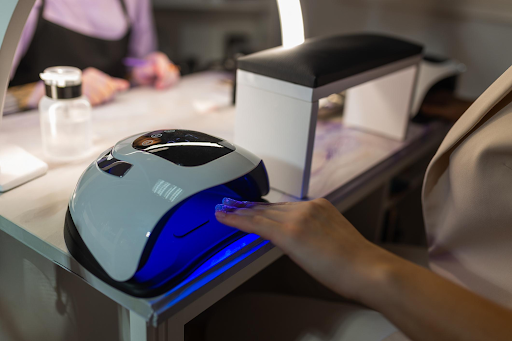
Professional technique ensures that each layer is cured under consistent conditions, allowing the polymer network to form correctly. This creates a balance between strength and flexibility.
Inconsistent curing—often caused by rushed technique or improper layering—can lead to internal instability, even if the surface appears intact.
Why trends can mask underlying issues
Highly detailed or heavily embellished designs can sometimes conceal structural inconsistencies.
Thick layers, decorative elements, or multiple coatings may temporarily mask uneven application or incomplete curing. However, these underlying issues often become visible over time through lifting, cracking, or loss of finish quality.
In this sense, trends can enhance appearance, but they cannot correct technical deficiencies.
Consistency over variation
Professional technique is defined by consistency rather than variation.
While trends change frequently, technical standards remain constant. Preparation, application, and curing must be executed with the same level of precision regardless of the design.
This consistency ensures predictable results, allowing the manicure to maintain both its appearance and structural integrity over time.
How technique impacts long-term nail health
Beyond aesthetics and durability, technique also influences the condition of the natural nail.
Improper application or removal can disrupt the nail plate, weaken its structure, or lead to sensitivity. In contrast, controlled technique preserves the integrity of the nail while supporting product performance.
This balance between enhancement and protection is a defining characteristic of professional nail care.
Where technical mastery defines quality
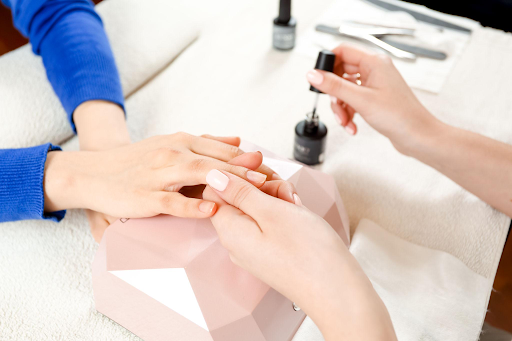
In advanced nail services, quality is not measured by how closely a design follows trends, but by how precisely the process is executed.
Professional technique integrates preparation, application, and curing into a controlled system. Each step contributes to a final result that is not only visually refined, but structurally reliable.
When technique is mastered, trends become an enhancement rather than a dependency.
Trends influence how nails look, but professional technique determines how they perform. Long-lasting, high-quality manicures are built on precision, consistency, and controlled processes—not on design alone.
Do nail trends affect how long nails last?
No. Trends affect appearance, but durability depends on preparation, application, and curing technique.:
Why do trendy nail designs sometimes chip faster?
Complex designs often involve thicker layers or additional elements, which can disrupt curing and structural balance if not applied correctly.:
Is technique more important than product quality?
Both matter, but technique determines how effectively a product performs. Even high-quality products can fail if applied incorrectly.: