
Why Sanitation Standards Matter in Nail Salons — The Foundation of Safe and Professional Nail Care
Sanitation standards in nail salons help reduce the spread of bacteria, fungi, and other contaminants by ensuring that tools, surfaces, and procedures remain hygienic throughout the service process. Proper sanitation protects both nail health and overall service quality, making it one of the most important foundations of professional nail care.
While clients often focus on appearance and design, the safety of the environment plays an equally critical role in the long-term condition of the nails and surrounding skin.
Understanding sanitation beyond surface cleanliness
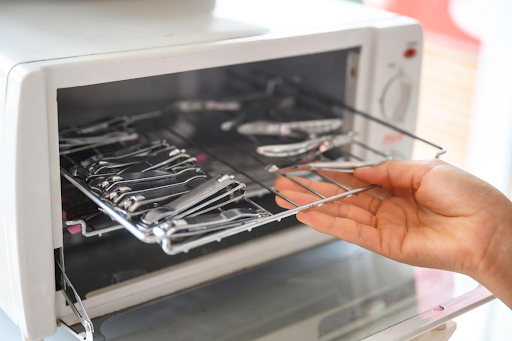
Sanitation is more than keeping a salon visually clean. It involves controlling microorganisms that may not be visible to the naked eye.
In nail services, tools repeatedly come into contact with skin, nails, moisture, and microscopic debris. Without proper sanitation procedures, bacteria and fungi can remain on surfaces and transfer between environments.
Professional sanitation standards are designed to interrupt this cycle by ensuring that tools and work areas are properly disinfected or sterilized before reuse.
Why nail services require strict hygiene control
Nail services involve direct interaction with sensitive biological surfaces, particularly around the cuticle and nail folds.
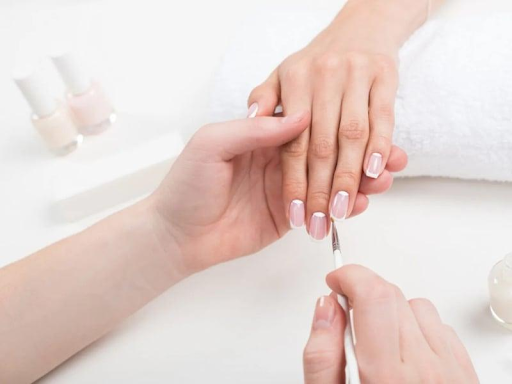
During preparation and application, small openings or areas of vulnerability may temporarily appear around the nail plate. Even minimal exposure to contaminated tools or surfaces can increase the risk of irritation or microbial transfer.
This is why sanitation standards are not optional enhancements, but essential safety measures within professional nail care.
The difference between cleaning, disinfecting, and sterilizing
These terms are often used interchangeably, but they represent different levels of hygiene control.
Cleaning removes visible residue such as dust or product buildup. Disinfecting reduces microorganisms on surfaces using chemical solutions. Sterilization is a more advanced process designed to eliminate microbial life entirely from tools.
Professional nail environments rely on multiple levels of sanitation rather than a single step. Proper hygiene depends on consistency throughout the entire process.
How poor sanitation increases health risks
Improper sanitation creates conditions where microorganisms can survive and spread.
When tools are reused without adequate disinfection, bacteria and fungi may transfer between surfaces or individuals. Moisture, residual product, and organic debris further increase this risk by supporting microbial growth.
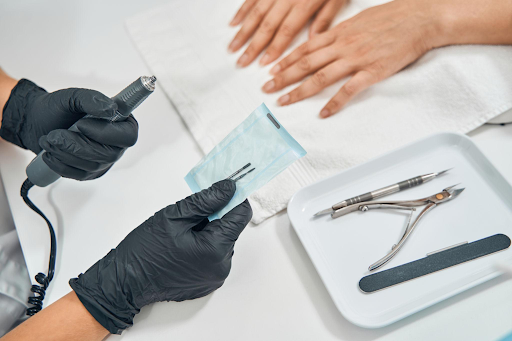
Professional nail environments rely on multiple levels of sanitation rather than a single step. Proper hygiene depends on consistency throughout the entire process.
The role of disposable and single-use materials
Certain tools and materials are designed for single use because they cannot be fully sanitized after exposure.
Items such as buffers, nail files, or porous materials may retain microscopic particles even after cleaning. Replacing these materials between services helps reduce the possibility of cross-contamination.
The controlled use of disposable items is therefore an important extension of sanitation protocols.
Why moisture control is part of sanitation
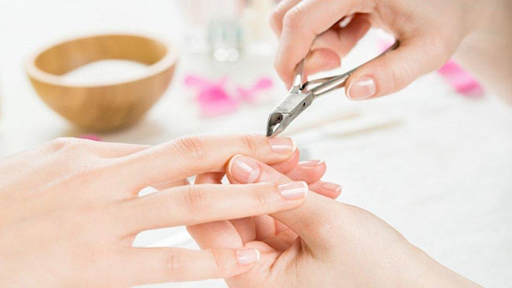
Moisture management plays a significant role in maintaining hygienic conditions.
Bacteria and fungi thrive in damp environments, particularly when airflow is limited. Water trapped around tools, towels, or beneath product layers can create favorable conditions for microbial growth.
Proper drying procedures and controlled environmental conditions help reduce these risks and support a cleaner service environment overall.
How sanitation standards reflect professionalism
Sanitation standards are closely tied to the level of professionalism within a nail service environment.
Consistent hygiene practices demonstrate process control, technical awareness, and attention to client safety. These standards influence not only health outcomes, but also the overall quality and reliability of the service experience.
A well-maintained environment reflects a deeper commitment to precision and care.
Long-term impact on nail health
The effects of sanitation are often cumulative rather than immediate.
Repeated exposure to poorly sanitized environments may gradually compromise the condition of the nail and surrounding skin. In contrast, consistent hygiene standards help maintain a stable environment where nails remain healthier over time.
Preventive sanitation is therefore not only about avoiding problems, but about supporting long-term nail integrity.
Where safety defines service quality
In professional nail care, sanitation is not separate from quality—it is part of quality itself.
A manicure should not only appear refined, but also be performed within a controlled and hygienic environment. Proper sanitation standards protect both the visible result and the biological health beneath it.
This balance between aesthetics and safety defines the standard of professional nail care.
Sanitation standards matter because they reduce microbial risk, support nail health, and ensure that nail services remain both safe and professionally controlled. Cleanliness alone is not enough—consistent hygiene protocols are essential to long-term nail care quality.
Why are sanitation standards important in nail salons?
They help prevent the spread of bacteria, fungi, and contamination during nail services.:
Can poor sanitation affect nail health?
Yes. Inadequate sanitation may increase the risk of irritation, infection, or long-term nail issues.:
Are disposable tools safer in nail services?
Single-use materials can help reduce cross-contamination when used appropriately alongside proper sanitation procedures.: